Source: Al-Huda - Holy Karbala
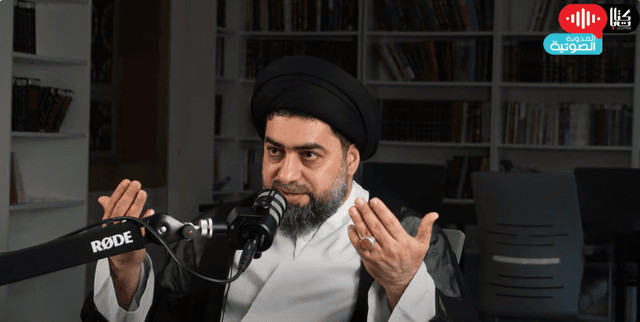
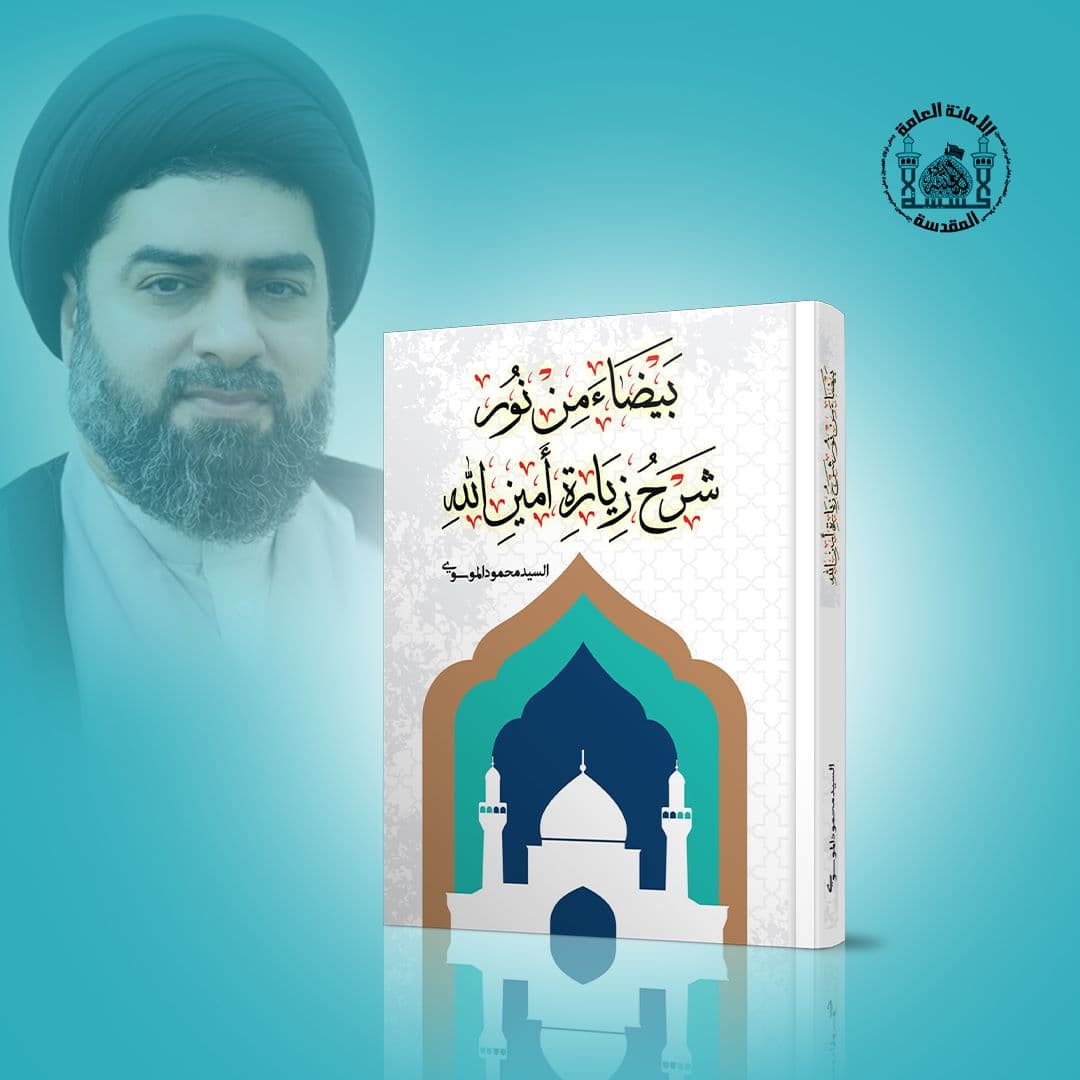
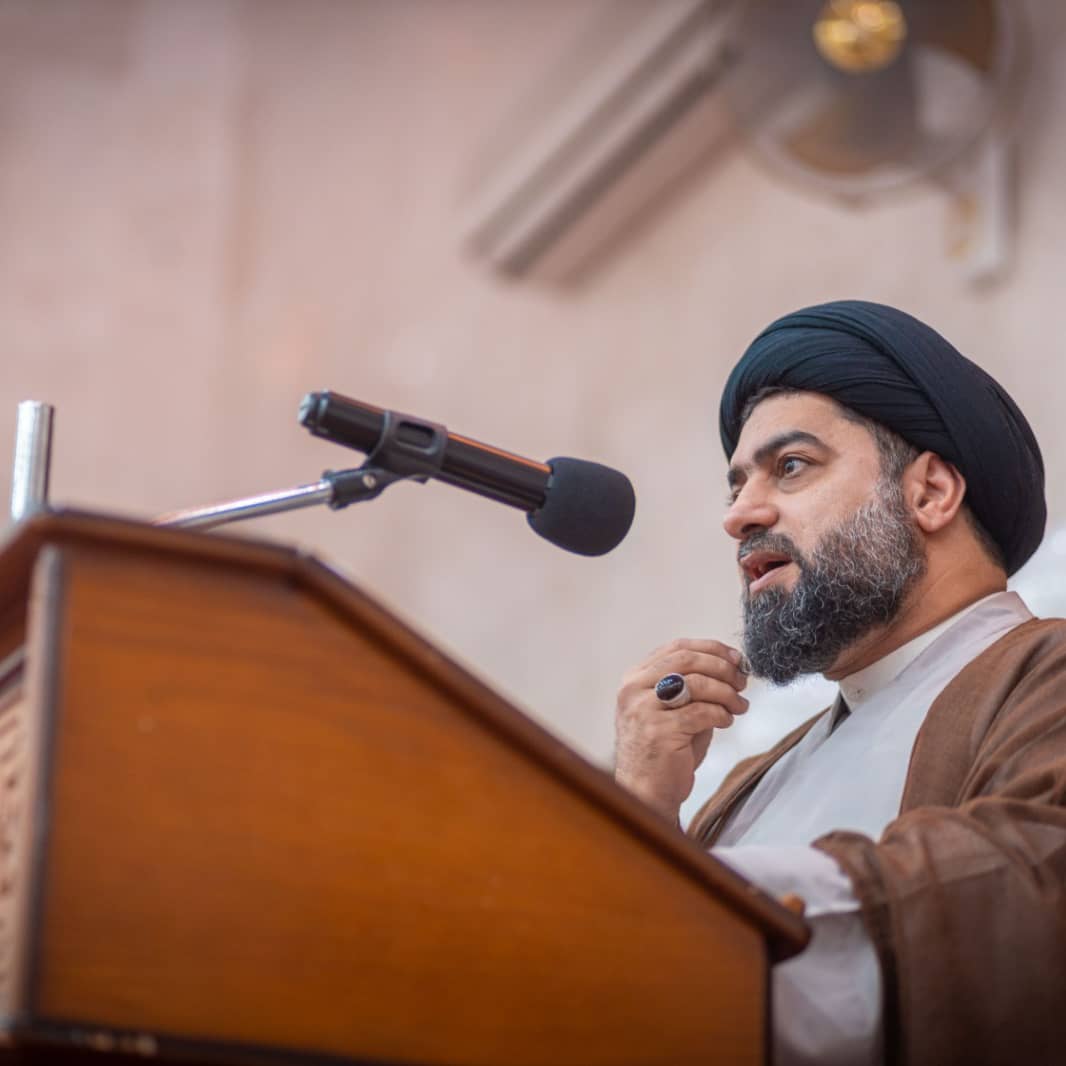
His Eminence Sayed Mahmoud Al-Mosawi, one of the religious scholars in Bahrain, said that the ziyarah of Imam al-Husayn (a) is in harmony with values, principles and beliefs, and is also in harmony with the acts of worship. He said that this ziyarah and the other ziyarat to the shrines of the Ahl al-Bayt (a) do not conflict with the matter of monotheism; rather, they are a pillar of this foundational principle in religion.
.
In a conversation that the (Ahl al-Bayt) satellite channel held with His Eminence on the program (The Message of the Arbaʿin), Sayed Al-Mosawi said: The Islamic conception in all the affairs of life, that is, Islam, contains a set of beliefs, and there is first of all a directive from the Ahl al-Bayt to their Shiʿa to keep up the ziyarah continually, and this ziyarah is in complete harmony with all Islamic values and principles, including the acts of worship of all kinds. If we look at this ziyarah from this perspective, it will be for us a support for the whole of a person’s faith; therefore the Ahl al-Bayt direct people to the ziyarah, for it does not conflict with any act of worship, value or divine principle.
His Eminence said: We reject whoever says that this ziyarah is worship of that person; rather, we say the opposite, for the ziyarah supports monotheism and supports the other beliefs and acts of worship.
On the wisdom behind the ziyarah of Imam al-Husayn (a), Sayed Mahmoud Al-Mosawi said: We can answer this question by saying that it is a strengthening of a person’s belief through these statements that the visitor recites in the text of the ziyarah as he stands before the shrine of Imam al-Husayn (a). If we read the ziyarat, we will see several things, among them: the connection between a person and his Imam.
On the effect of this ziyarah on the followers of the Ahl al-Bayt (a) as they cross distances to visit Imam al-Husayn (a) and face various dangers and challenges, Sayed Al-Mosawi says: We see that the Ahl al-Bayt (a) have methods of exerting influence. Sometimes they direct people directly, sometimes they set out the merits of things, and sometimes they direct us to the Noble Qurʾan; sometimes the act of the Infallible is itself a proof; and through the acts of worship in influencing the shaping of the personality, by means of prayer, fasting, hajj, khums and zakah. Imam al-Sadiq (a) says: When you go to the stoning, intend that you are casting away the baseness, the vileness and all the blameworthy acts within yourself. Here a person is trained indirectly through the acts of worship, and likewise the ziyarah: when the visitor recites, “I bear witness that you maintained the prayer and gave the zakah.....” this plants in the visitor’s heart the love of these elements. Therefore we see in some narrations something to this effect: (O Allah, make what I repeat a reality in my deeds), and this is found in the texts of the narrations of the ziyarah of al-Husayn. The visitor may come falling short within himself, and then he renews his commitment and pledges himself, visits the Imam and benefits from him.