Dar al-Qariʾ in Lebanon has published the book (Writers' Experiences: From Reading to Writing) by the writer Ustadh Hasan Al Hamada, for which he commissioned 22 male and female writers from various countries, such as Lebanon, Morocco, Saudi Arabia, Egypt and Bahrain .. to recount their histories with reading and writing. The book runs to 436 pages in waziri format.. .
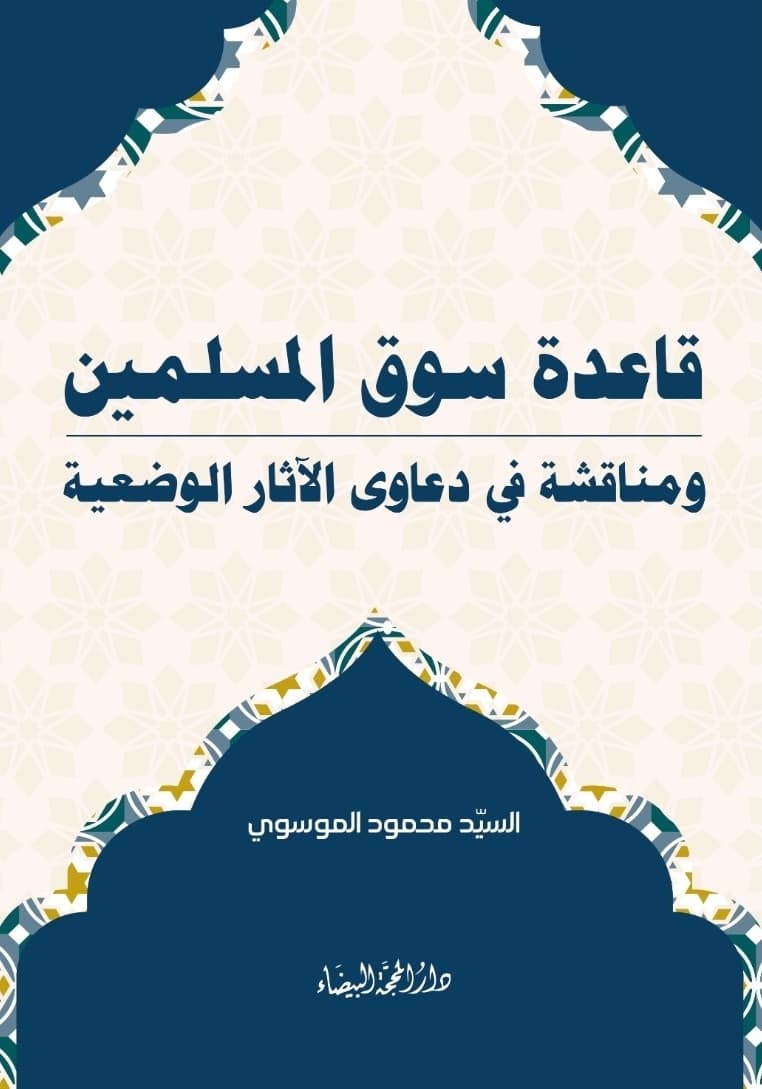
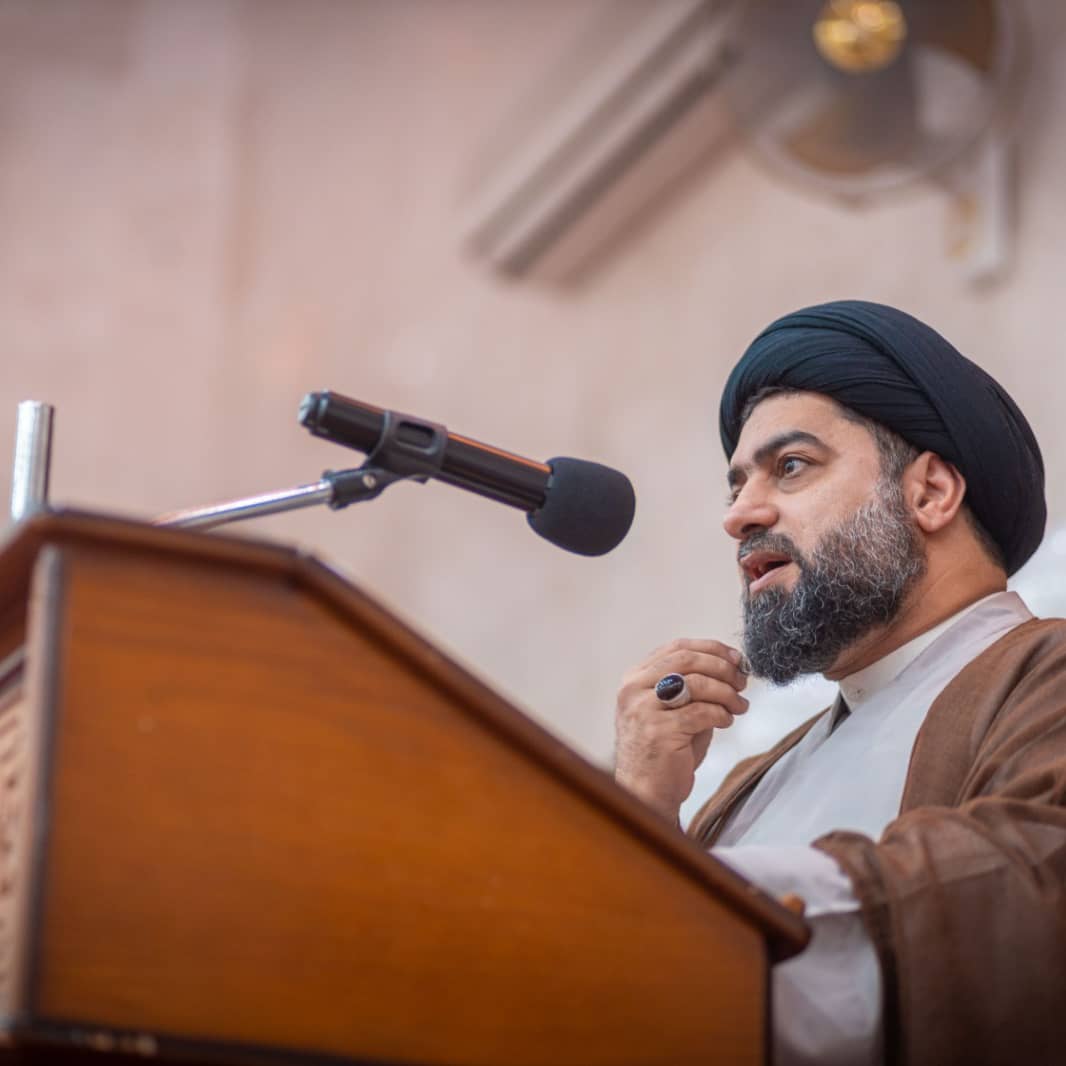
Sayed Mahmoud Al-Mosawi from Bahrain recounted his experience under the title (The Project of Reading and the Mission of Writing: Birth Pangs and Experience).
Introduction by the writer: Ustadh Hasan Hamada
Writers' Experiences.. From Reading to Writing
Many people master the art of silence and do not think of making themselves known
The Saudi newspaper al-Bilad today published coverage of the book: “Writers' Experiences.. From Reading to Writing,” by its author, the writer and media figure Hasan Al Hamada, and here is the text of the published material:
It is self-evident that the people who have come to prominence and become known were working in accordance with the laws of life; they are that group who mastered the art of appearing, in the positive sense, and made themselves known to others by the work they do well. Whereas the people who were buried have buried themselves with their own hands, because they did not strive to make their existence, their abilities and their capacities known.
Although the wisdom of life, on the tongue of the Commander of the Faithful ʿAli ibn Abi Talib (a), says: “Speak, and you will be known, for a person is hidden beneath his tongue”; yet we find that many people master the art of silence and quiet; you do not find them thinking of making themselves known.
In my view, the one holding this book is classed among the first group; for he is either a writer who seeks to become acquainted with the experiences of others so as to add their minds to his own, or a reader who wants to register his name in the list of writers, and therefore took care to acquire it, to benefit from the writers' experiences and follow in their footsteps.
In any case, the idea of the book aims at focusing on two aspects: the first: the writers' experiences in practicing the habit of reading; and the second: their experiences in writing, in its various fields: (the study, the article, poetry, the story... etc.). This idea emerged in me in the year 1419 AH, and I turned away from it at that time after a discussion with an author from the region; but now, in the year 1429 AH, I have found myself insistent on accomplishing it, after I had in practice given some courses concerning the two skills of reading and writing, and found engagement from male and female trainees with the reading and writing experiences that I relate to them.. The trainees, in fact, are the ones who encouraged me to accomplish the idea of the book and turn it from a dream into a reality.
As we shall see, the participants in writing this work are a group of Arab writers, male and female, and our aim in this is to bring out the largest possible number of important writing experiences. The project aims to offer serious knowledge, in flexible language, that helps the contemporary generation, in order to develop their habit of reading first, and to strengthen their writing abilities second.
It may be good to point out in this introduction that the author deliberately commissioned a diverse group of writers, apart from any other attribute! And from different Arab regions. He found a quick response from some of them, received promises of participation from others, and heard no response at all from a third group, so he refrained from speaking to them about the matter again.
Whoever composes a work like this no doubt falls into perplexity as he chooses the names suitable for this work; for writers are many, and the selection was made on the basis of the one commissioned being a writer with a presence and published output, regardless of reach and ramification. For it is my conviction that everyone who has held a pen and set down for others what he has published is a writer who deserves to tell his writing experience, and I think that each experience here represents importance and benefit for whoever reads it.
As for the disparity in the size of the contributions among the writers, it occurred because of the writers' inability to restrain their talk about themselves; for talking about oneself is beautiful talk, and if a writer were left to his nature, he would write many times what he wrote. Personally, I asked the participants to write within the limit of (2500) words, and most of them agreed that this amount is large for talking about a specific experience; but most, and I first among them, left the matter to the pen and what it wrote. I found no problem in this matter, since in this way the writings varied a little in the manner of presentation and differed noticeably in size, thereby lending the book beauty by its departure from a monotony that is sometimes tedious.
As for the axes of writing the experience, we wanted them to be open to the writer, and after some of the writers requested that its axes be specified, we specified some of them by way of illustration, not obligation. For example, with regard to the reading experience, the reader may find talk of the first book or books read by the one with the experience, and the way he obtained them; and was it with encouragement from someone—a father, a teacher... etc.? The kinds of reading that encouraged him to continue reading. Did he begin open in his reading, or closed within specific fields? How did he read? Did he devote a specific axis, such as history for example, for some time, or did he vary his reading? Did he ever feel that reading was useless? Did he meet with rebuke and mockery because of his constant reading? How was he before reading, and how did he become after it?
With regard to the writing experience, the reader may find a reference to the first material published by the writer of the experience, the party that published it, and the reactions that accompanied it, negative or positive. The reader will also come to know whether the writer's first experience in publishing drove him to publish more, or made him hold back a little? And why does the writer write? And is there any use in writing? And what does he write? And in what atmospheres does he write? And what is his adopted style in writing? And does he think about stopping writing? And other such points and remarks.
What is the segment on which we focused in the book? And what do we expect it to add to it?
The book is directed first and foremost to those who seek to establish their cultural identity and to activate their writing abilities; it contains useful material for everyone who thinks of taking up the book as a reader, or as a writer in the near future. And no one is unaware of the importance of conveying successful experiences in various fields; and as is narrated from Imam ʿAli ibn Abi Talib (a), his saying: “Indeed, in experiences there is newly acquired knowledge.” So the book, as we hope, will add for the reader diverse experiences of writers who worked hard, and some of whom perhaps walked in a field of nails, until they reached the prominent position they occupy in our cultural scene.
For a person continues to need to learn from the experiences of others, however high his scholarly standing may be, and the poet spoke truly when he said:
Do you not see that reason is an adornment to its people, and that the completion of reason is long experience?
It remains for us to point out that the order adopted in the sequence of the experiences was made according to the alphabetical order of the writers' names. We have dispensed with including biographies of them, in that their experiences tell of who they are; so we sufficed with putting the word (writer) for each participant, with the addition of the name of his country, with our respect for all and our appreciation of their stations in the religious, scholarly, cultural and social arena.
It is my whole hope that the reader of these experiences will find what helps him as he makes his way in the two worlds of: reading and writing.
Here is a collection of experiences that we place in your hands, so that we do not start from zero.
The participants: It is mentioned that the participants, according to their order in the book, are: Ahmad Rasim al-Nafis (Egyptian), Idris Hani (Moroccan), Bashir al-Bahrani (Saudi), Jasim al-Sahih (Saudi), Hasan Al Hamada, Hasan Hanafi (Egyptian), Haydar Hubb Allah (Lebanese), Khawla al-Qazwini (Kuwaiti), Rasul Muhammad Rasul (Iraqi), Zayd al-Fadil (Saudi), Sami Khadra (Lebanese), Sabah ʿAbbas (Saudi), ʿAbd al-Hamid al-Ansari (Qatari), ʿAbd al-Khaliq al-Janbi (Saudi), ʿAbd Allah al-Yusuf (Saudi), ʿAdnan al-ʿAwami (Saudi), Fawziyya al-ʿAshmawi (Egyptian), Faysal al-ʿAwami (Saudi), Kifah al-Haddad (Iraqi), Muhammad al-Harz (Saudi), Muhammad Mahfuz (Saudi), Mahmoud Al-Mosawi (Bahraini), Mansur al-Nuqaydan (Saudi).