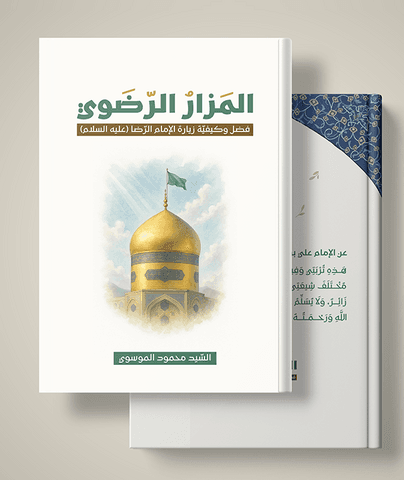
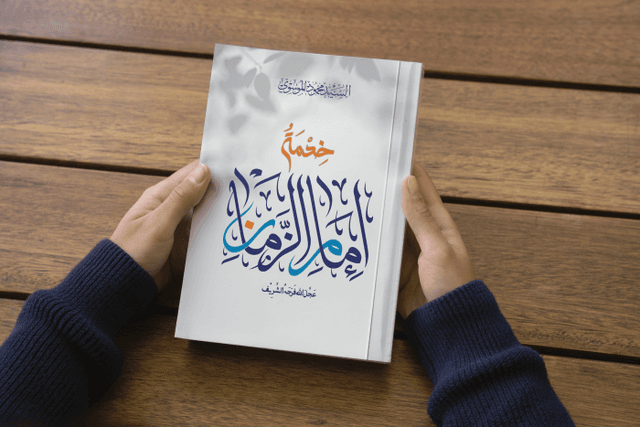
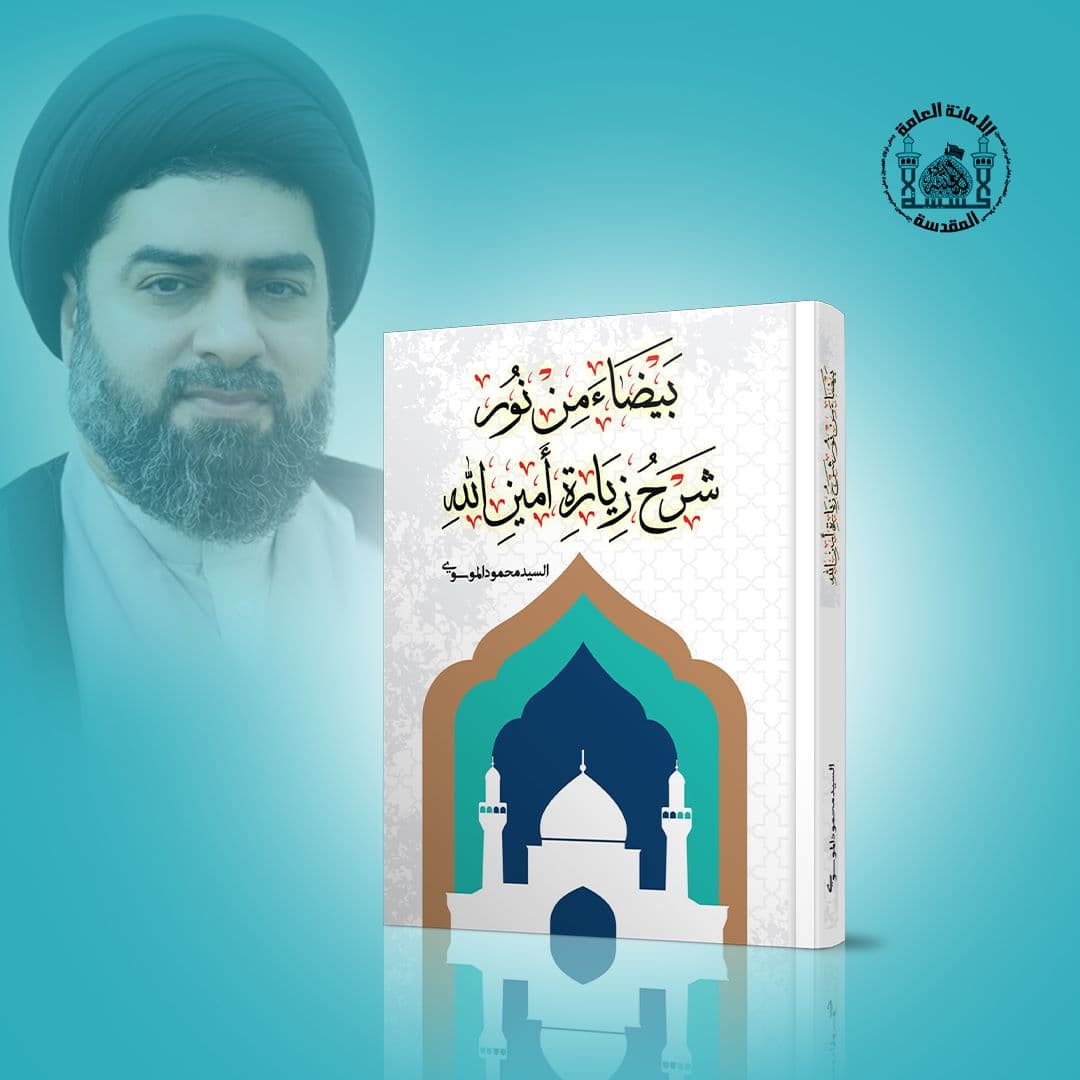
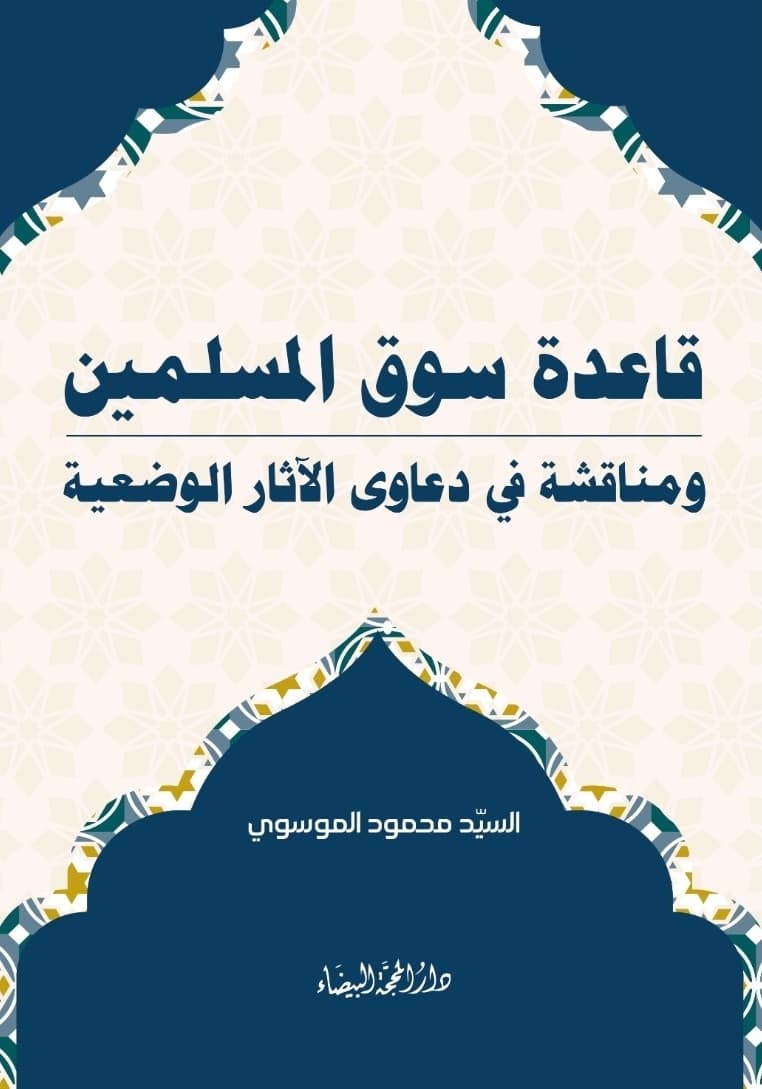
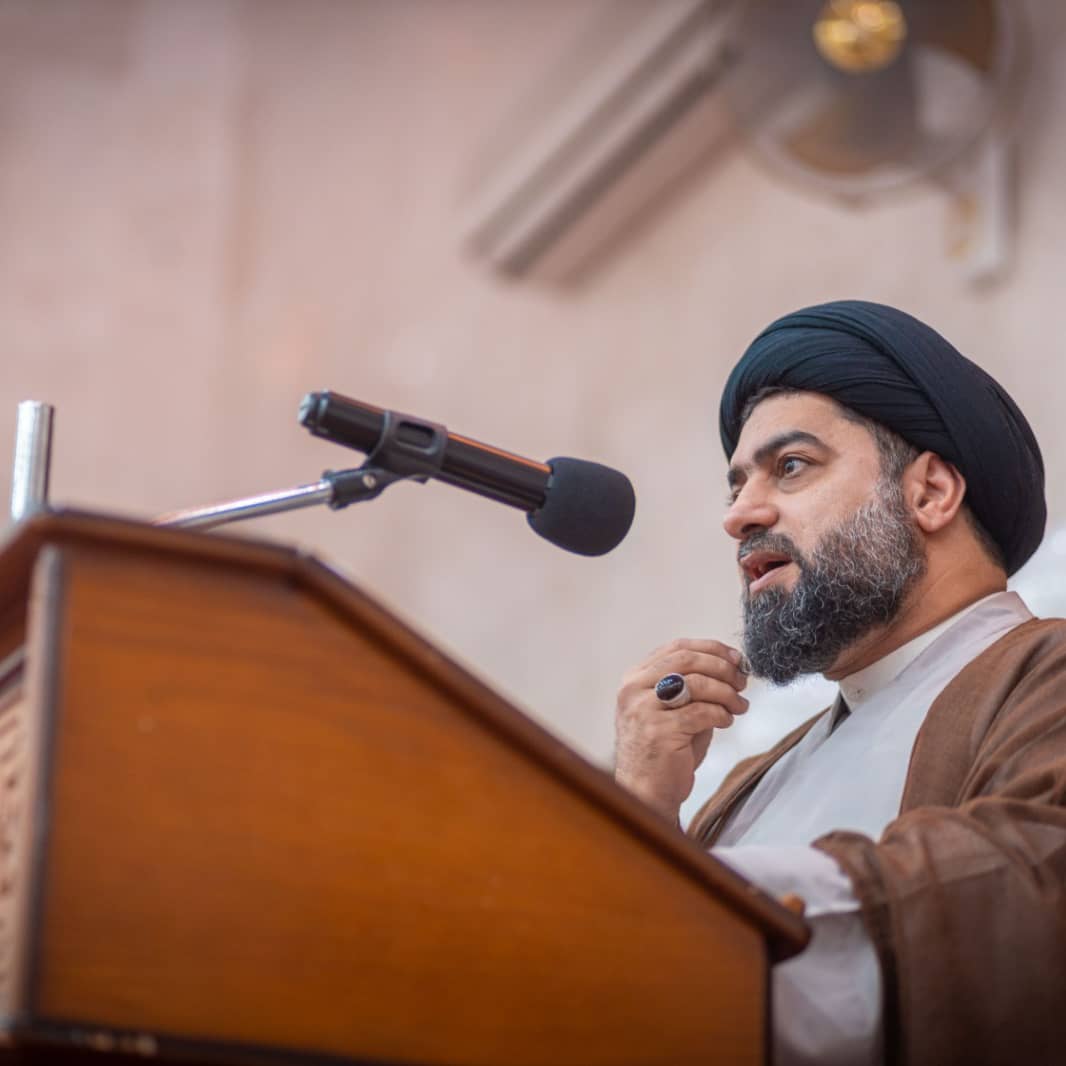
The journal al-Qurʾan Nur, which specializes in Qurʾanic studies, published in its ninth issue, issued in the month of Ramadan 1429 AH by the al-Qurʾan Nur Foundation, a study by Sayed Mahmoud Al-Mosawi under the title (The Month of Achievement.. Qurʾanic Data in Programming the Self).. .
A report written by Bashir al-Bahrani, the managing editor of the journal:
The al-Qurʾan Nur Foundation in Qatif has issued the new issue, “the ninth issue,” of the journal al-Qurʾan Nur.
Its pages contain many Qurʾanic studies and articles. Shaykh Faysal al-ʿAwami opened the issue with a discussion of: “The Jurisprudence of Difference in the Qurʾanic Text.. Social Mutual Hatred as an Example,” in which he addressed the forbiddenness of social mutual hatred through three headings, namely: rancor, hatred, spite.
In the issue, Husayn ʿAbd Allah Al Duhaynim wrote on: “Hajj in the Qurʾan.. Some Verses and Indications,” addressing many of the Qurʾanic verses that dealt with the topics of the rite of Hajj and what relates to it.
Shaykh ʿAbd Allah Ahmad al-Yusuf discussed the topic: “Social Injustice in the Holy Qurʾan,” speaking about the meaning of injustice, its types, its foundations, its consequence and how to confront it.
Under the title: “The Qurʾan Challenges,” Shaykh Ibrahim al-Milad addresses the issue of “the challenge of the Qurʾan” that something like it be produced, and what meaning is there in that? What significance does it have? And what is its manner? All of this within the framework of what the Qurʾanic verses themselves convey.
In his article: “Zann between the Usuli Meaning and the Qurʾanic Indication,” Shaykh ʿAbd al-Ghani ʿAbbas attempts to set out a conception of the term “zann” according to the Qurʾanic concept, tracing the Qurʾanic use of this term, addressing its usuli meaning and its Qurʾanic indication, and the evidences for reconciling them and the criteria for doing so.
Shaykh Muhammad al-ʿAwami addressed “The Axes of Supplication in the Holy Qurʾan,” emphasizing the lofty status of supplication in the Qurʾan and in the message of Islam, the binding command to supplicate, and its futility when directed to other than Allah, and presenting some of its results and benefits, and other things.
The issue includes the fourth installment of the series “The Heavenly Messages,” written by Sayed Muhammad Taqi al-Modarresi, among whose headings are: The Unity of the Messages in Principle and Goal; The Qurʾan Confirms the Messages; The Islamic Message: A Renewal and Completion of the Messages; The Messages Radiate from One Niche; Islam and the People of the Previous Messages; Divine Revelation and Human Conjectures; The Divine Messages and Materialist Cultures.
Sayed Mahmoud Al-Mosawi wrote under the title: “The Month of Achievement.. Qurʾanic Data in Programming the Self,” speaking about the tributaries of achievement and the necessity of achievement in the various fields during the noble month of Ramadan, and emphasizing that the month of Ramadan is a plan for programming and preparing the self, because it is the starting point for change and for positive effectiveness in other works.
The managing editor Bashir al-Bahrani presented a comprehensive reading of Surat al-Taghabun, under the title: “Surat al-Taghabun.. and the Testing of the Human Being by the All-powerful, the All-knowing,” while the editor-in-chief Hasan Al Hamada wrote an article entitled: “And Do Not Flaunt Your Piety.”
Alongside reports and other materials.