In order to become acquainted with the project of Imam al-Sadiq (a) and his civilizational efforts, which contributed to the advancement of Islamic awareness, to driving forward the wheel of knowledge and to enriching it with luminous treasures of knowledge, it is necessary to study the era in which he lived and to review the political circumstances that surrounded him.
Likewise, we ought to raise a set of questions about the results to which that practice led, through a comparative study of the period before the Imam and the period that followed him; and it is necessary to study the nature of the project and the extent of its suitability to those circumstances.
The circumstances in which Imam al-Sadiq (a) began his project—a divine project in every sense that this word carries—were governed by political conflicts and a scramble for power, the result of which was a severe bleeding of Muslim blood, epistemic bewilderment and political confusion; in their wake one state fell and another arose. Naturally, society would be preoccupied with those tensions and allegiances. Whereas the period in which Imam Zayn al-ʿAbidin (a), the grandfather of Imam al-Sadiq (a), lived, and likewise that of his father Imam al-Baqir (a), was a period of conquests by the Islamic armies, so that the hands of the Muslims extended over many lands, from the Hijaz to the East and the far West.
Imam al-Sadiq (a) diagnosed this critical stage through which the Muslims in general were passing—and sound diagnosis serves to determine the right remedy—and he resorted to launching his project clearly, with strength and firmness, going about with his medicine, having perfected his ointments. It was the scholarly project running parallel to those conquests on the one hand, and building the culture of Islamic society with upright awareness on the other, whose aim was to raise the scholarly level of the Islamic nation by building caravans of scholars in various fields. For the openness of Islamic society to other cultures formed an important dimension in the insistence on pressing ahead with the project, so that the Muslims would have a sufficient scholarly yield, capable of confrontation, and sufficient epistemic immunity to engage with other cultures.
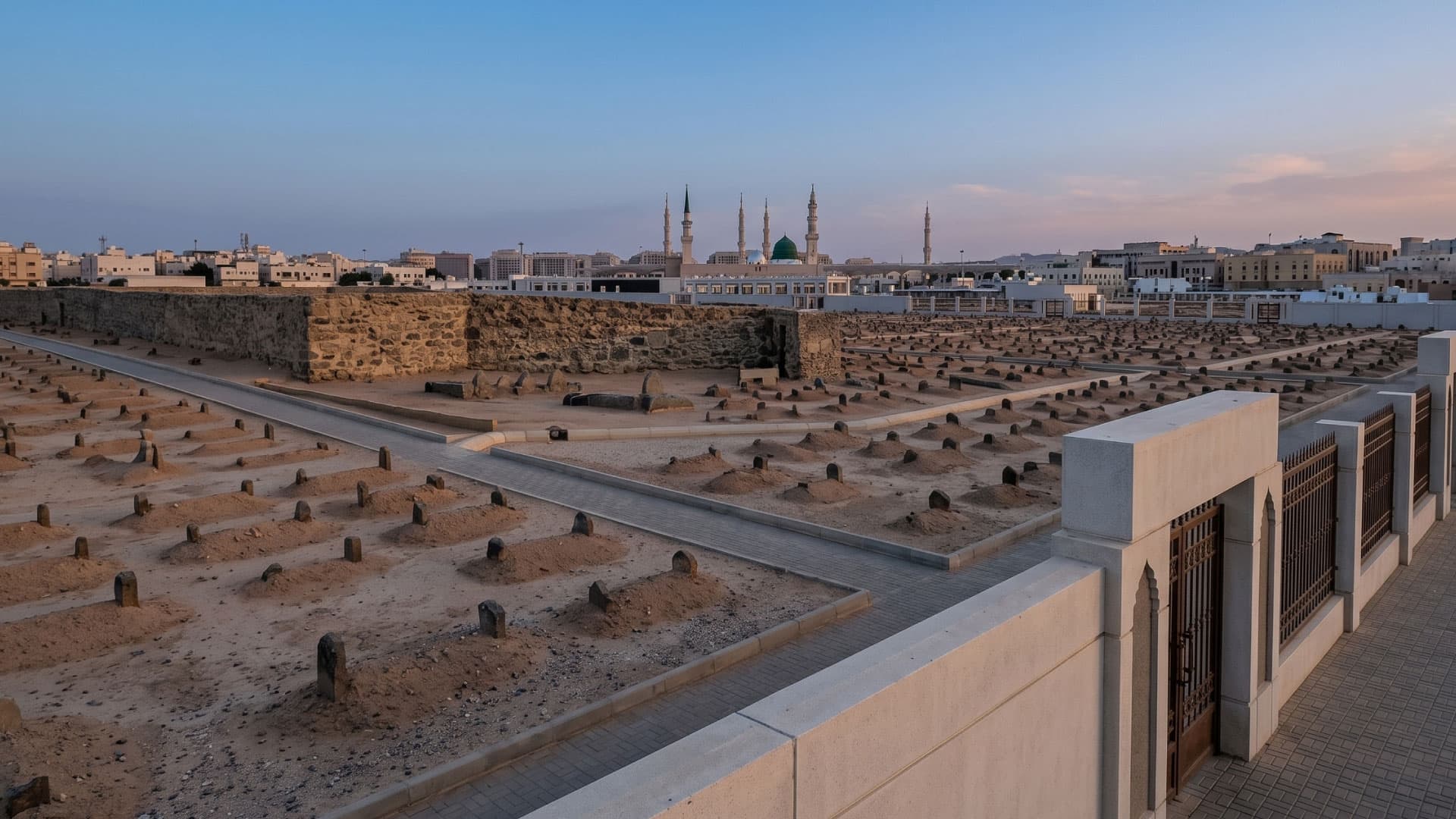
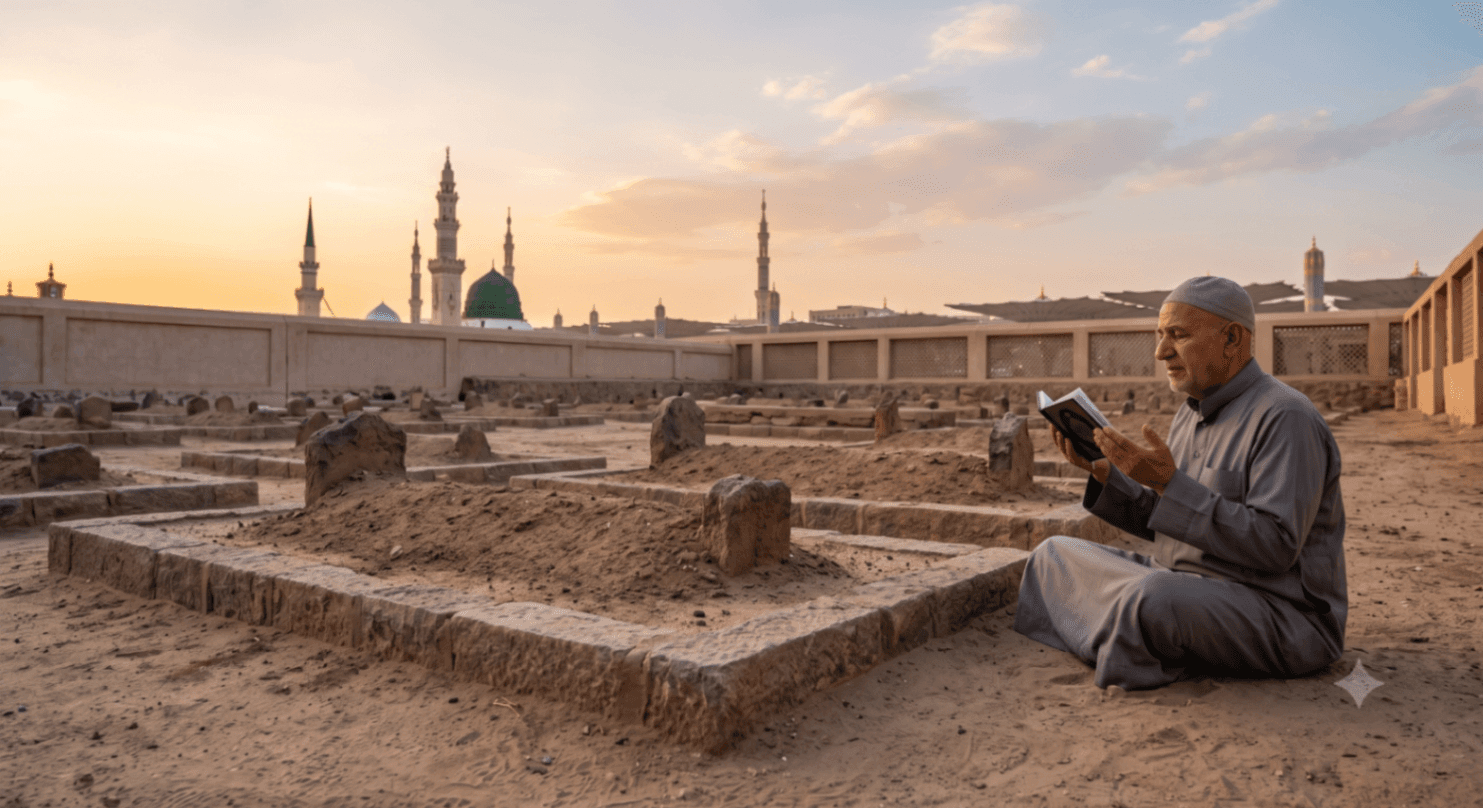
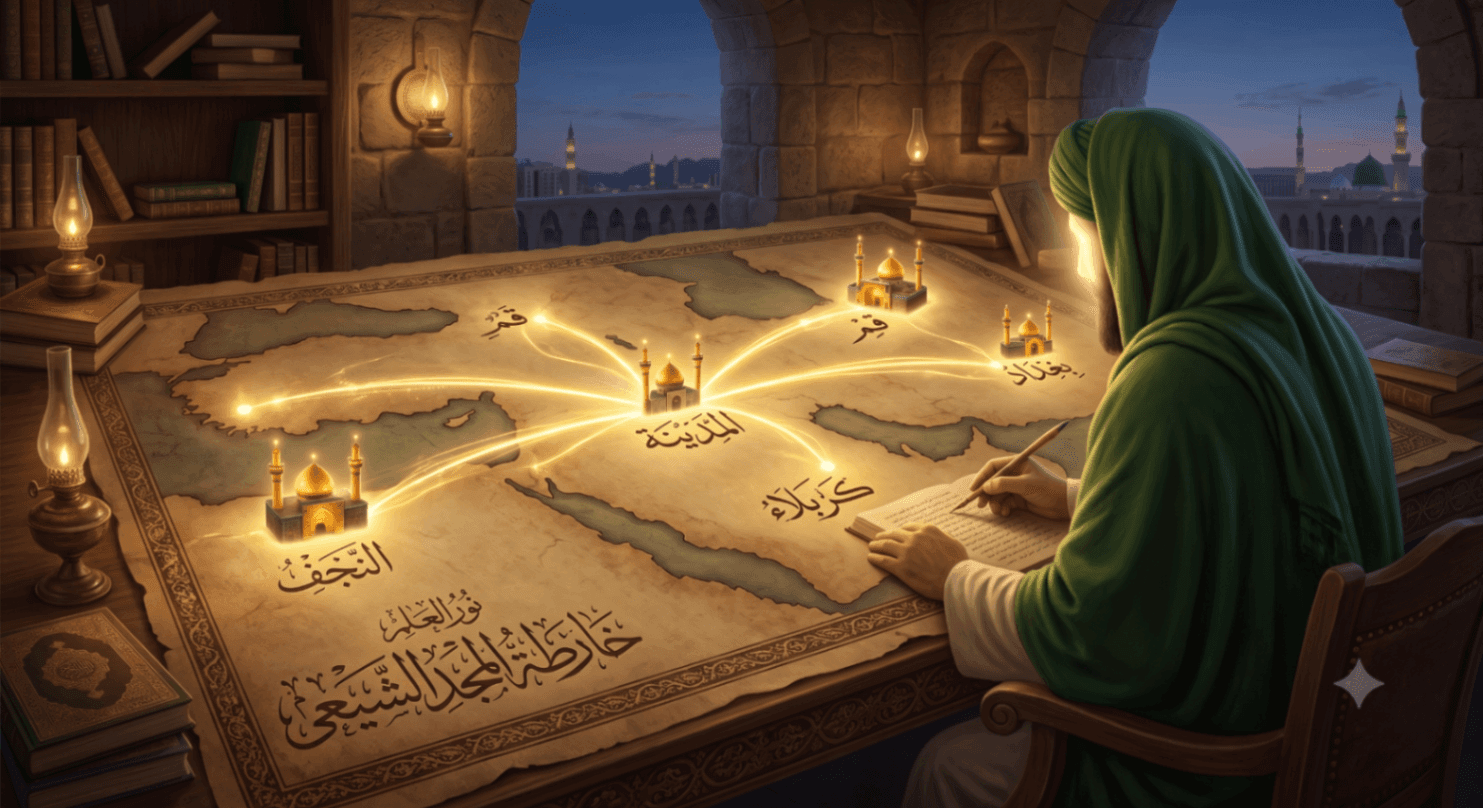
And indeed, that was done and accomplished. The Imam (a) chose the mosque of his grandfather, the Messenger of Allah (s)—from which the light of Islam set out in his mission—to be a new point of departure for the mission of his teachings in every field of knowledge.
His lessons filled the courtyards of the venerated Prophet's Mosque, where they were attended by more than four thousand scholars, who in turn spread throughout the Islamic lands. Thus an unparalleled intellectual movement took shape: the pursuit of understanding in religion and of rational reflection became active, narration (riwāya) and comprehension (dirāya) were revived, volumes were written down and ideas spread. Ibn Hajar al-ʿAsqalani affirms this fact in his book (al-Sawaʿiq al-Muhriqa), saying: (People transmitted from him knowledge that the caravans carried far and wide, his fame spread throughout all lands, and the great imams narrated from him)[1].
Imam al-Sadiq (a) was the most suitable man for this difficult task, for he was the most knowledgeable of the people of his time by the agreement of all who wrote his history, attended his lessons, or witnessed his debates and argumentations. Al-Nawawi said of him: (They agreed on his standing as an imam, his eminence and his leadership)[2].
And it is reported that Malik ibn Anas said: (No eye has seen, no ear has heard, and it has not occurred to the heart of any human being, anyone more excellent than Jaʿfar ibn Muhammad al-Sadiq in knowledge, worship and piety).
Ibrahim ibn Muhammad al-Rummani, Abu Najih, narrated, saying: I heard Hasan ibn Ziyad say: I heard Abu Hanifa when he was asked: Who is the most learned in jurisprudence that you have seen? He said: I have not seen anyone more learned in jurisprudence than Jaʿfar ibn Muhammad. When al-Mansur brought him to al-Hira, he sent for me and said: O Abu Hanifa, the people have become captivated by Jaʿfar ibn Muhammad, so prepare for him some of your difficult questions. He said: So I prepared forty questions for him. Then Abu Jaʿfar sent for me, and I came to him at al-Hira. I entered upon him while Jaʿfar was sitting at his right. When I caught sight of the two of them, there came over me, for Jaʿfar, an awe that did not come over me for Abu Jaʿfar. I gave the greeting, he gave me permission, and I sat down. Then he turned to Jaʿfar and said: O Abu ʿAbd Allah, do you know this man? He said: Yes, this is Abu Hanifa. Then he followed it with: He has come to us. Then he said: O Abu Hanifa, bring forth your questions; we will ask Abu ʿAbd Allah. I began asking him, and he would say concerning each question: You say such-and-such about it, the people of Medina say such-and-such, and we say such-and-such. Sometimes he agreed with us, sometimes he agreed with the people of Medina, and sometimes he differed from us all, until I had gone through forty questions without a single one of them being left out. Then Abu Hanifa said: Have we not narrated that the most knowledgeable of people is the one most knowledgeable about the differences among people?[3].
Thus the fit between the project and the leader of the project was among the factors of its success. As for the other factors, they are many, the most prominent being that the Imam (a) made his school—or say, his university—a heart that embraced all people, even if their views, their countries or their affiliations, political or doctrinal, differed. The historians say: (Kufa, Basra, Wasit and the Hijaz sent to Jaʿfar ibn Muhammad their dearest sons, and from every tribe: from Banu Asad, Mukhariq, Tayyiʾ, Sulaym, Ghatafan, Ghifar, al-Azd, Khuzaʿa, Khathʿam, Makhzum, Banu Dabba, and from Quraysh). Many of the heads of the schools of thought benefited from him, among them Malik ibn Anas, al-Thawri, Ibn ʿUyayna, Abu Hanifa and others. Moreover, Imam al-Sadiq's (a) choice of the mosque of the Greatest Messenger (s) gave a clear message: that human guidance, the strength of scholarly foundations and the hidden springs of the success of the Islamic nation are what the Most Noble Prophet (s) established as revelation from Allah, what his pure Ahl al-Bayt carried the banner of, and what Imam Jaʿfar ibn Muhammad al-Sadiq (a) kindled into a blaze.
[1] - al-Sawaʿiq al-Muhriqa, vol. 2, p. 586.
[2] - Tahdhib al-Asmaʾ wa al-Lughat, al-Nawawi, vol. 1, p. 150.
[3] - Tahdhib al-Kamal fi Asmaʾ al-Rijal, Jamal al-Din al-Mizzi, vol. 5, p. 80.