Twelver Imami Shiʿism did not reach its state of glory, the firm rootedness of its principles and the breadth of its presence without divine care. The conduct of the Ahl al-Bayt (a) consisted of efforts in that making—in founding, maturation and spread—and Imam Jaʿfar ibn Muhammad al-Sadiq (a) had the prominent role in that, in terms of bringing it to the fore, consolidating it and spreading it. This is the truth which a reader of history falls short of understanding with a shortsightedness that does not reach the tip of the nose and does not go beyond the points of articulation of the letters; rather, it needs a judicious reader of history and a perceptive analyst of its movement.
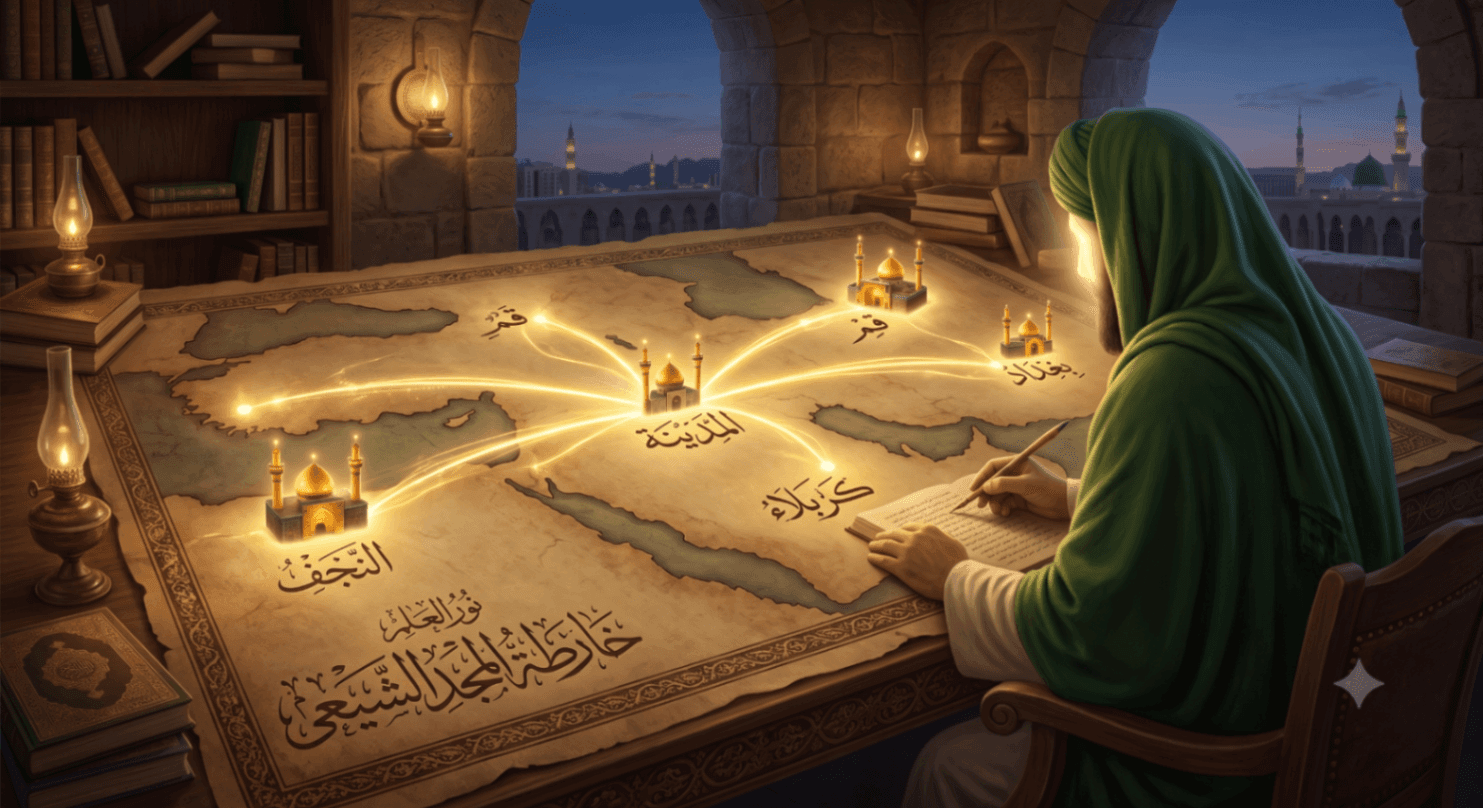
In addition to what Imam al-Sadiq displayed in the abundance of narrations that books and breasts carried from him, he cast his insight toward founding the map of Shiʿi glory extending across the most prominent spots of light on earth, together with the lands connected to them. The extent of the Imam's concern was not merely to sit in the mosque of Medina, speak to people and teach them divine knowledge; rather, that session of his was a session for a making that would influence the entire history of Islam and bring forth the pulpits of light and the landmarks of Shiʿi greatness on earth.
Yes, he was looking toward Qom, in which the hand of divine providence arranged for the existence of the grave of Lady Fatimah al-Maʿsumah (a), who had not yet been born. So he founded there a scholarly community that would stir up knowledge and raise its banner; he brought that simple community out of concern for sustenance to concern for religion and its teachings. He sent the Ashʿaris as founders of this state of affairs, and then it continued with great men, among them Zakariyya ibn Adam (al-Ashʿari), of whom Imam al-Rida (a) said that he is the one trusted in religion and worldly affairs. Thus Imam al-Sadiq made of Qom and its surroundings luminous centers radiating knowledge and overflowing with learning.
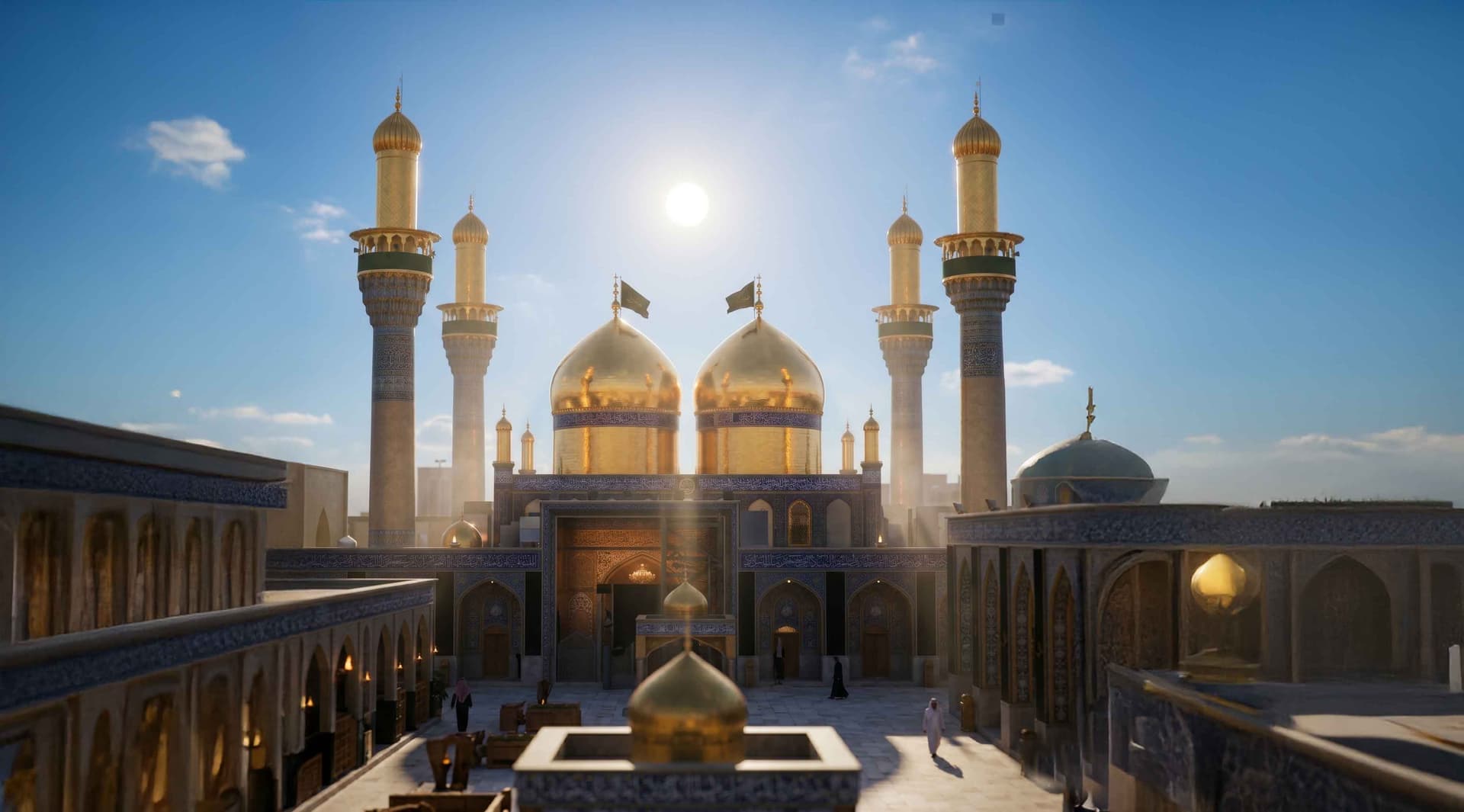
Imam al-Sadiq (a) cast his gaze toward Karbala, where the grave of his grandfather Imam al-Husayn (a) is, and he filled the breasts of the narrators and their books with what calls for reviving it and the necessity of turning to it at all times. He reminded them of the centrality of the grave and the sanctity of the land, so that it would be an axis of religious radiance until the Reappearance of Imam al-Hujjah, the Awaited (aj). Despite the difficulty of living there at first, it later became a refuge for scholars and a launching point for juristic and uṣūlī renewal among the Shiʿa, and from it came the greatest spread, after there had been Baghdad, Najaf and Hilla.
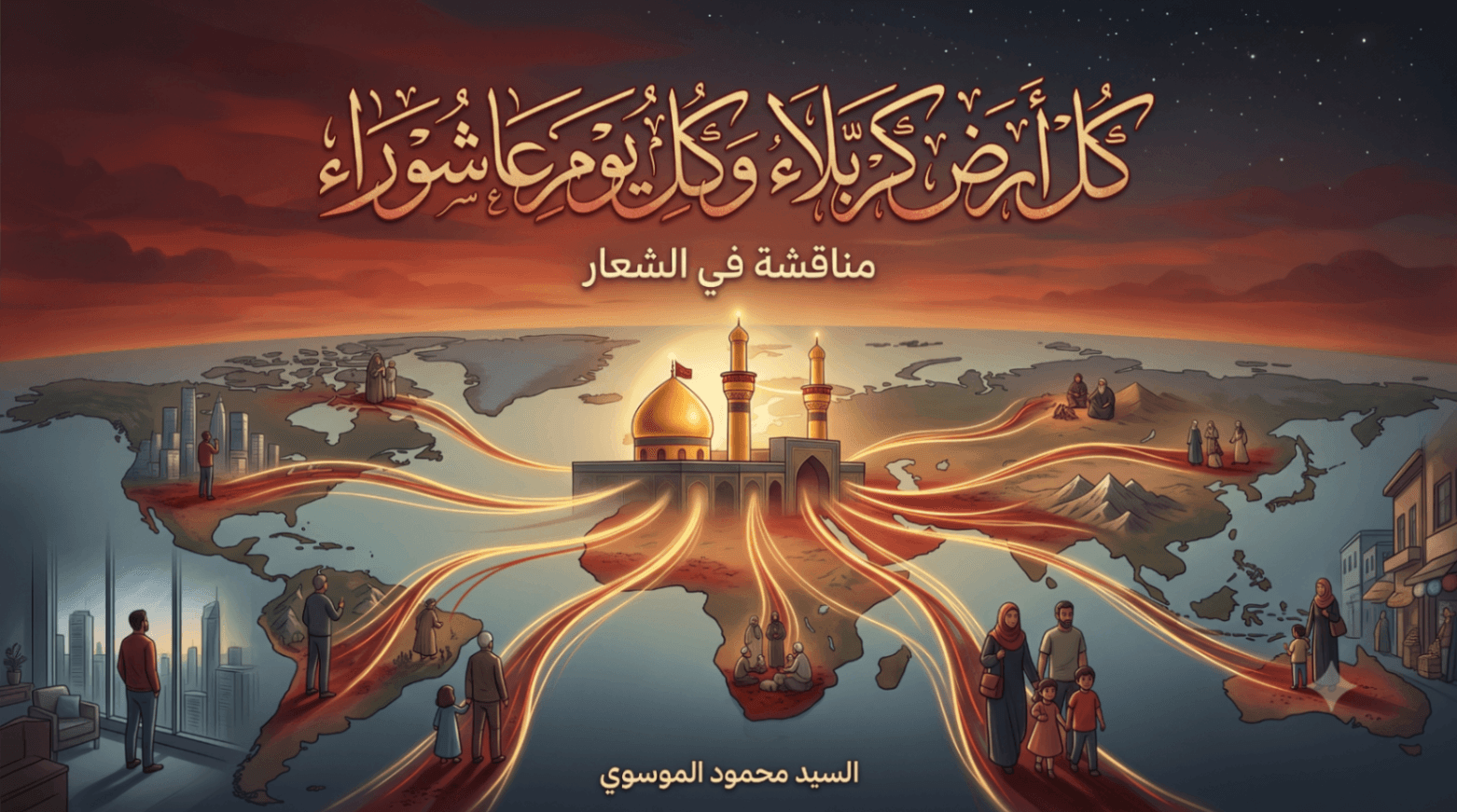
Thus the Shiʿi centers of learning multiplied in all regions, not out of a vacuum, but from a vision through which our Imam al-Sadiq (a) urged the jurists to carry their knowledge, relate the hadiths of the Ahl al-Bayt (a) and give legal rulings to people in the mosques and in all lands, without the wheel of giving stopping. He (a) said to Muslim ibn Abi Hayya: (Go to Aban ibn Taghlib, for he has heard many hadiths from me; so whatever he narrates to you, narrate it from me). So the lands became connected and multiplied in Shiʿi glory, after he had encouraged the Shiʿa to undertake journeys and to keep connected with particular spots whose center was the noble shrines of the Ahl al-Bayt (a).
Sayed Mahmoud Al-Mosawi
15/5/2023 CE