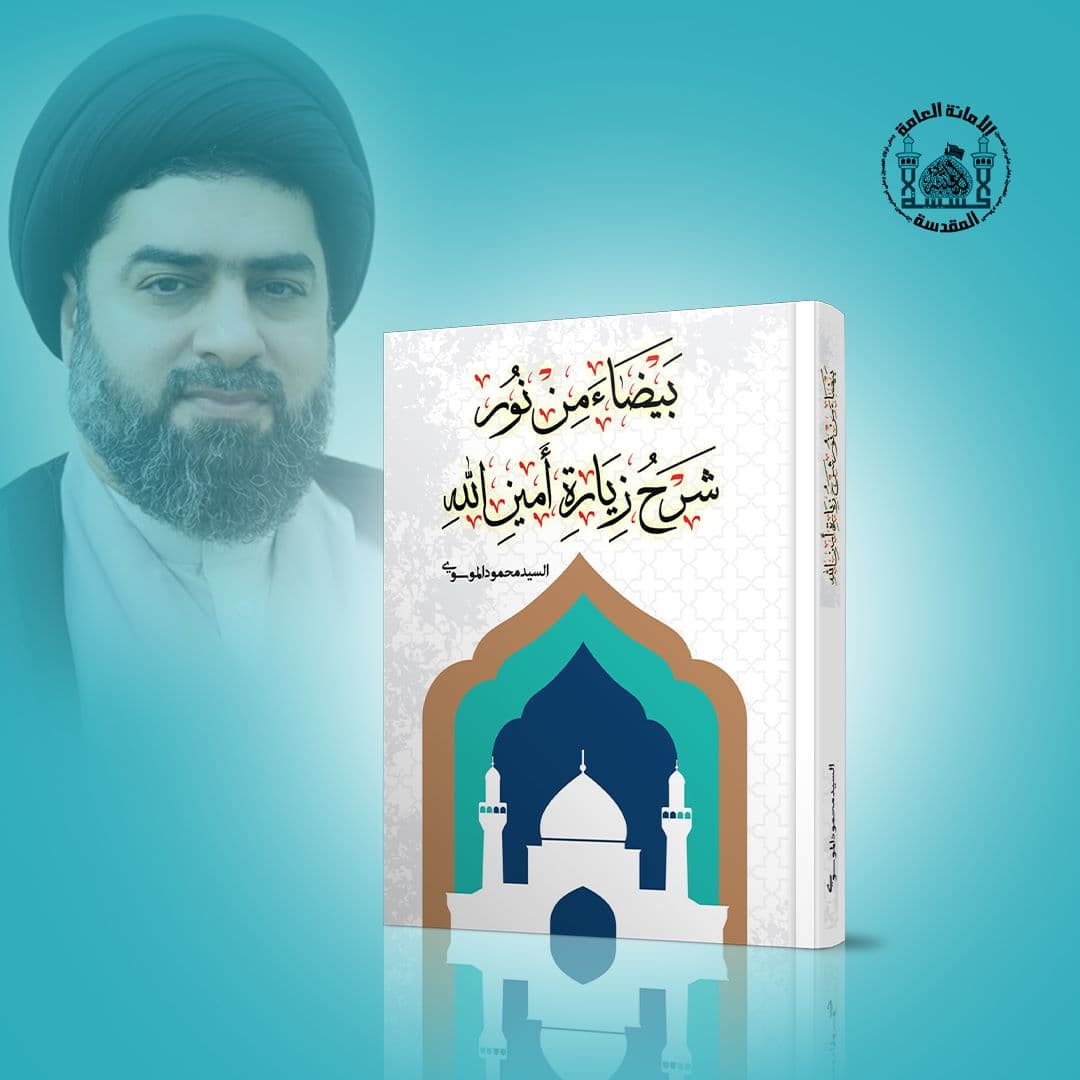
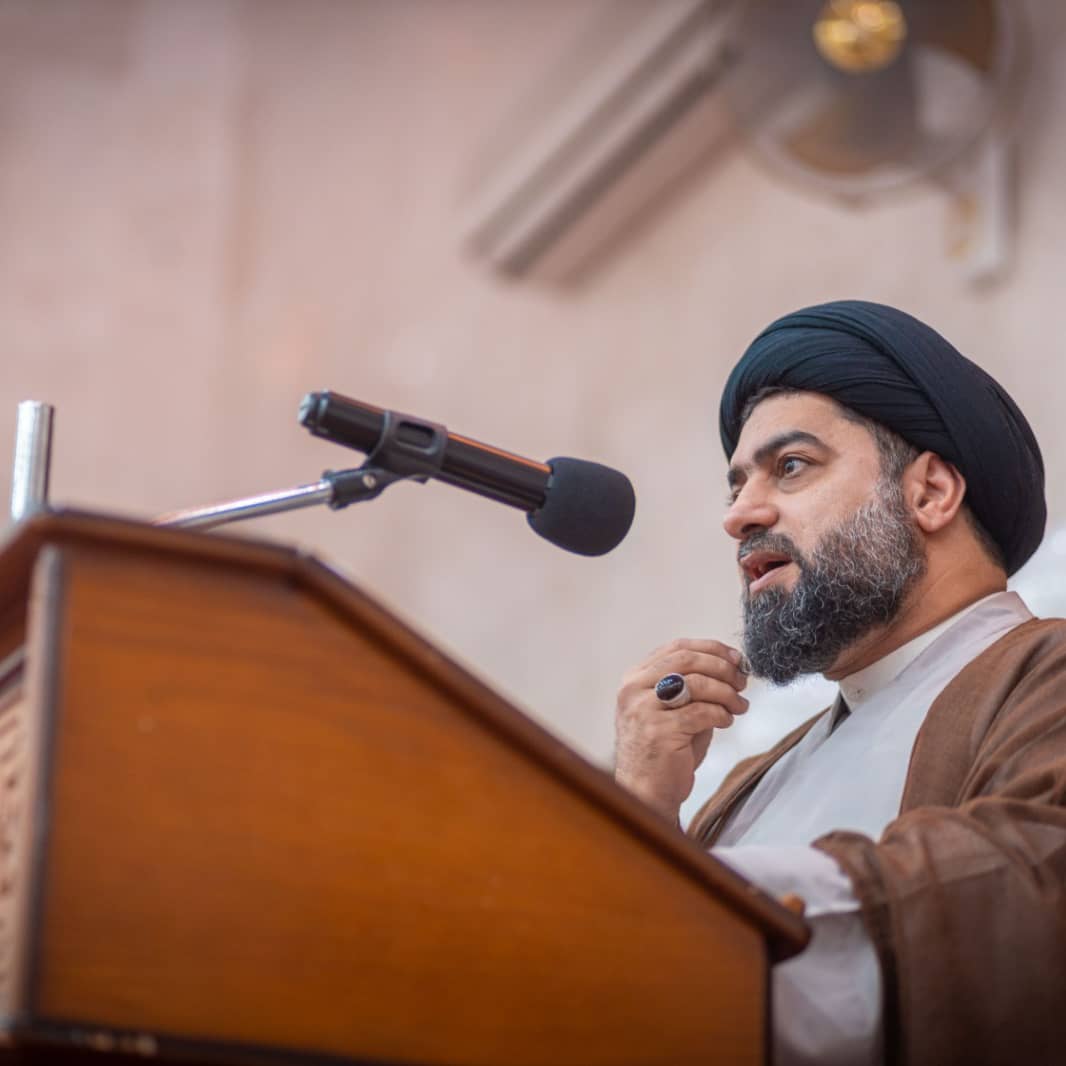
Newly released, from Dar al-Mahajja al-Baydaʾ, the book: The Supplication “O Allah, Be for Your Wali”: A Tour of Its Meanings. Written by Sayed Mahmoud Al-Mosawi.
A PDF copy is available in the Books section
To download and read the book, please visit this page:
The Book: The Supplication “O Allah, Be for Your Wali”: A Tour of Its Meanings
From what is stated in the book's introduction:
The supplication known as (O Allah, Be for Your Wali), well known among the generations of the Shiʿa, their old and their young, their scholars and their common people, is among the supplications that issued from their houses (a), and its subject is praying for the wali of Allah among them. It is thereby one of the kinds of luminous supplications in which the light of speech and the light of station are blended.
In these few pages, to the extent of my capacity of understanding and the time available, I attempt to ascend in knowledge, in a tour around the supplication (O Allah, Be for Your Wali): I pass over its wellsprings, its origins and its aims, then turn toward drawing out its meanings, so that I may arrive with the noble reader at seeing the light and discerning the realities by its illumination, and that we may fulfill its due, so as to persist in reciting it while we sense the sweetness of intimate prayer and live by the fragrance of supplication. For the supplication of one who has insight is seventy degrees higher than the supplication of anyone else.
The supplication (O Allah, Be for Your Wali) is the bridge of light by which we cleave the billows of life and by which we wrestle with the waves of affliction, while we are in the care of our master and the Imam of our Age, who is acquainted with the minute details of our conditions, Imam al-Hujjah ibn al-Hasan al-Mahdi (aj). For after the subject of the supplication had been the practice of the awliyaʾ from the Household of Infallibility (a), running on their tongues in the depth of every night, its fragrance rising to Allah within the witr prayer, it has become the practice of the awliyaʾ from among their Shiʿa and their devoted followers, has been kneaded into the courses of their lives, and has become the musk seal of their deeds and their acts of worship.